Watercolor Soft Blush and Lemon Floral Clipart Review
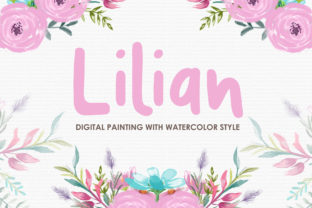
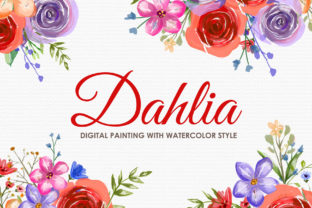
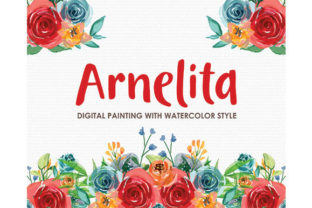
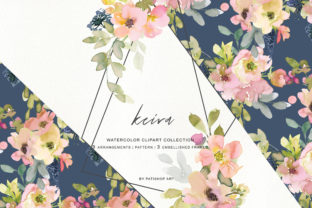
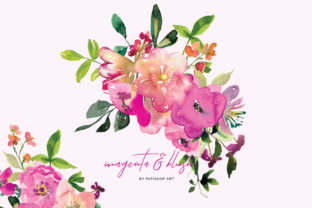
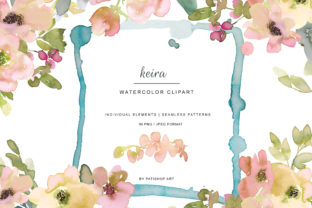
As a graphic designer who has spent years navigating the creative marketplace, I know that finding the right illustration can make or break a client project. Recently, I was tasked with developing a visual identity for a small business launching a line of organic skincare products. The brief called for something fresh, feminine, yet grounded in nature. That is when I stumbled upon the Watercolor Soft Blush and Lemon Floral Clipart. My initial impression was immediate: this is not just another generic floral set. It exudes a specific mood—light, airy, and undeniably cheerful. The soft blush tones blend seamlessly with the vibrant lemon accents, creating a palette that feels both modern and timeless. For a brand trying to stand out in a crowded digital product landscape, these illustrations offer a distinct emotional appeal that stock photography often fails to capture.
Evaluating the Visual Mood for Brand Identity
When reviewing any graphic design asset, the first question I ask is whether it supports the brand story. In this case, the client wanted to communicate purity and natural ingredients without looking clinical. The Watercolor Soft Blush and Lemon Floral Clipart hits that mark perfectly. The watercolor texture adds a human touch, suggesting handmade quality and care. This is crucial for small business branding, especially for Etsy shops or boutique product lines where the "handmade" narrative drives sales. Unlike rigid vector shapes, these illustrations have organic edges and subtle color variations that mimic real paint on paper. This texture translates beautifully into packaging design, giving product labels a premium feel that customers associate with high-quality artisan goods.
Practical Applications in Marketing Visuals
Once I moved past the initial aesthetic assessment, I began testing how these assets perform in real-world scenarios. I started by placing the floral elements into a series of social media graphics. The versatility of this clipart is impressive. On Instagram posts and Pinterest pins, the soft blush background works as a gentle canvas, allowing text overlays to remain legible while still providing visual interest. For a Canva template intended for the client's blog, the lemon accents served as perfect decorative flourishes that guide the eye through the content without overwhelming the reader. These are not just static images; they function as dynamic components of a larger marketing strategy.
I also explored their potential for print-on-demand applications. When I placed a large-scale version of the floral arrangement onto a tote bag mockup, the colors popped against the white fabric. Similarly, for a t-shirt design concept, the watercolor style provided a relaxed, casual vibe suitable for summer collections. The ability to scale these PNG designs without losing too much clarity makes them viable for various merchandise types, from stickers to mugs. For crafters using Cricut projects, the clean outlines within the watercolor washes suggest that these could be adapted for die-cutting if the SVG design files are available, opening up endless possibilities for physical crafts and party favors.
Where the Asset Shines in Layout Design
There are specific areas where the Watercolor Soft Blush and Lemon Floral Clipart truly excels. Large layout areas, such as hero graphics on a website or the front cover of an editorial design piece, benefit immensely from the depth and texture of these illustrations. They create a focal point that draws the viewer in immediately. In packaging design, using these florals as a border or a central motif adds a layer of sophistication that elevates the perceived value of the product. Furthermore, when used as supporting brand elements in email newsletters or digital ads, they reinforce brand consistency across different channels. The cohesive color scheme ensures that every touchpoint feels part of the same family, which is essential for building visual trust with an audience.
Cautions for Minimalist and Corporate Projects
However, professional judgment dictates knowing where not to use certain assets. While beautiful, this collection may struggle in minimalist branding scenarios where stark contrast and geometric precision are required. If you are designing for a corporate law firm or a tech startup, the soft, flowing nature of these flowers might clash with the desired image of efficiency and rigidity. Additionally, in crowded layouts or complex backgrounds, the delicate details of the watercolor wash can get lost. I recommend avoiding low-contrast designs where the light blush tones might disappear against a white or cream background. Always test the asset at small sizes; intricate watercolor textures can become muddy when shrunk down for favicons or tiny icons. In such cases, a simpler line-art version or a solid color icon might serve the visual hierarchy better.
Technical Checks Before Commercial Use
Before finalizing any commercial design, I always run a rigorous technical check. First, I inspect the file formats. Are we working with high-resolution PNG designs with transparent backgrounds? Is there an editable SVG design option for scalability? For this review, ensuring the transparency is clean around the edges of the petals is vital for seamless integration into other compositions. I also test the asset in black and white to see if the tonal values hold up for grayscale printing, such as in newspapers or faxes. Contrast is key; I preview the clipart on both dark and light backgrounds to ensure the lemon and blush tones remain distinct and readable.
Typography pairing is another critical step. I experimented with pairing these illustrations against various font styles. A script font or handwritten font complements the organic feel of the watercolor, enhancing the romantic, feminine vibe. However, a bold sans serif font can create an interesting juxtaposition, adding a modern edge to the traditional floral look. Conversely, a heavy display font might overpower the delicate nature of the clipart. Finally, and most importantly, I verify the commercial license. Using design assets for client work requires explicit permission for commercial use. Ensuring the licensing terms allow for unlimited use in products sold on Etsy, Amazon, or via print-on-demand services protects both the designer and the client from legal issues.
Final Verdict for Creative Professionals
In conclusion, the Watercolor Soft Blush and Lemon Floral Clipart is a robust addition to any designer's toolkit, particularly for those working with lifestyle brands, beauty companies, or seasonal campaigns. It offers a unique blend of artistic flair and practical utility. Whether you are creating a logo design, a product mockup, or a suite of marketing visuals, these illustrations provide the emotional connection that resonates with consumers. By understanding its strengths in large layouts and its limitations in minimal contexts, designers can leverage this asset to create polished, professional results. For anyone looking to infuse their projects with a touch of springtime elegance, this collection is a worthy investment in your creative design process.