Watercolor Pink Flower Clipart Review
As a designer who has spent years translating digital art into tangible thread, I approach every new asset with a critical eye. When I first opened the file for Watercolor Pink Flower Clipart, my initial reaction was one of cautious optimism. The soft, bleeding edges and delicate pastel hues are undeniably charming in a digital preview. However, the real test begins when we move from the screen to the hoop. This review explores how this specific illustration holds up under the scrutiny of actual stitching, commercial viability, and customer expectations.
The First Impression: Softness Meets Structure
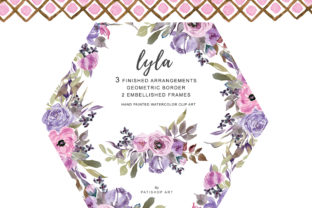
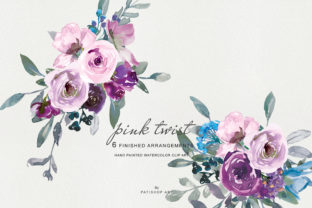
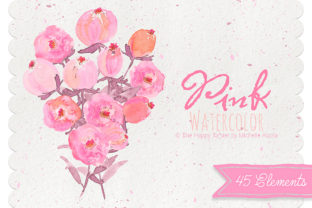
The aesthetic of Watercolor Pink Flower Clipart is immediately evocative. It carries a mood of gentle nostalgia, perfect for spring collections or nursery-themed projects. Visually, the design relies on gradients and organic shapes that mimic water-based paint. In the realm of Illustrations, this style is popular because it feels handcrafted and artistic. Yet, for an embroidery designer, these soft transitions present a unique challenge. Unlike bold vector graphics with hard lines, watercolor effects require careful management of stitch density and color blending to avoid looking muddy or pixelated once stitched.
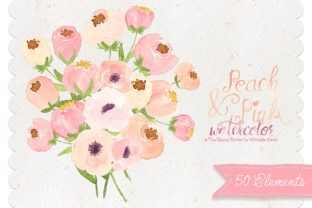
The layout of the flower is balanced but intricate. There are fine tendrils and subtle shading areas that demand precision. If you are planning to use this as a tote bag design or a large focal point on a pillow cover, the detail will likely translate beautifully. However, if you attempt to shrink this down for a small cap patch, those delicate nuances risk disappearing entirely, leaving behind a confusing cluster of thread.
Real-World Application: From Sweatshirts to Baby Items
Let's imagine a specific scenario: You run a small shop selling personalized gifts and need a standout piece for a baby shower collection. You decide to apply Watercolor Pink Flower Clipart to a cream-colored cotton onesie. This is where the design truly shines. On light fabric, the pink tones pop without overwhelming the garment. The organic shape fits the soft curves of baby clothing perfectly, creating a personalized gift that feels boutique-quality rather than mass-produced.
For a slightly different project, consider using this as a sweatshirt embroidery accent on the sleeve. Here, the fill stitch needs to be dense enough to prevent the fabric from showing through, yet loose enough to maintain that airy watercolor look. When executed correctly, customers react positively to the texture; the raised thread adds a tactile dimension that a printed graphic simply cannot achieve. This elevates the perceived value of your handmade product, allowing you to charge a premium for the craftsmanship involved.
I have also seen this type of design work well as an embroidered patch for denim jackets or backpacks. By adding a satin border around the flower, you contain the "bleeding" effect of the watercolor style, giving it a finished, professional edge. This makes it an excellent candidate for commercial embroidery projects where durability and brand consistency are paramount.
Navigating Fabric and Hoop Constraints
While the potential is high, there are significant limitations to keep in mind. Watercolor Pink Flower Clipart is not a universal solution for every textile. On textured fabrics like heavy canvas or thick wool, the fine details of the petals may get lost in the weave. Similarly, on stretchy materials like jersey knit, the tension required to hold the design can cause the delicate lines to pucker or distort unless you use a high-quality stabilizer.
Avoid using this design on dark fabrics without extensive testing. The light pinks in the clipart rely on contrast to define their shape. Without a strong underlay or a white backing layer, the colors might disappear against a black or navy background. Furthermore, do not attempt this on curved surfaces like caps unless you are confident in your machine's ability to handle complex angles. The rounded nature of the flower might warp if the hoop tension isn't perfectly managed.
If you are working with thin fabric, such as a silk scarf or a lightweight tea towel, the stitch density becomes a critical factor. Too much thread weight will tear the material or make it stiff. Always test the design on scrap fabric first to ensure the needle doesn't damage the base cloth while trying to achieve that soft gradient effect.
Maximizing Visual Appeal and Brand Trust
The success of any machine embroidery design ultimately comes down to how it influences buyer engagement. A well-executed version of Watercolor Pink Flower Clipart signals attention to detail. It tells the customer that you care about aesthetics beyond the standard, blocky logos often found in the industry. This builds trust and encourages repeat business, especially for Etsy sellers and craft fair vendors who compete on uniqueness.
However, if the design looks messy—perhaps due to poor thread color choices or incorrect hoop size selection—it can harm your reputation. Customers expect a clean finish. They want to see the distinction between the running stitch outlines and the fill areas. To ensure this, I recommend reviewing your digital embroidery file settings before running the final production batch. Check the thread colors to ensure they blend smoothly rather than clashing. Sometimes, swapping a bright hot pink for a softer rose can make all the difference in achieving that authentic watercolor vibe.
Practical Notes for Designers and Makers
Before you commit to selling items featuring this design, follow these practical steps:
- Test on Scrap Fabric: Never skip this step. Stitch out the design on the exact fabric you plan to sell to check for puckering and color accuracy.
- Verify Licensing: Ensure you have the right to use Watercolor Pink Flower Clipart for commercial purposes. Some design assets are for personal use only, which could lead to legal issues for your craft business.
- Check File Formats: Confirm that the embroidery file format matches your machine. If you are buying a digital download, ensure it converts cleanly without losing stitch data.
- Use Proper Stabilizer: For delicate flowers, a cut-away stabilizer often provides better support than tear-away, preventing the design from shifting over time.
- Create Mockups: Use printable mockup tools to visualize how the design looks on various products like aprons, blankets, or holiday gifts before investing in inventory.
In conclusion, Watercolor Pink Flower Clipart is a versatile and beautiful asset for the right project. It excels in applications requiring a touch of elegance and softness, such as baby items, home decor, and custom apparel. However, it demands respect for its technical requirements. By understanding the interplay between thread, fabric, and stitch count, you can transform this digital illustration into a stunning finished product that delights your customers and strengthens your brand identity.