Watercolor Fall Twigs Herbs Flowers Review
As a designer who has spent years translating digital files into tangible thread, I approach every new machine embroidery design with a mix of excitement and skepticism. The market is flooded with assets that look stunning on a screen but fall apart under the needle. When I first opened the file for Watercolor Fall Twigs Herbs Flowers, my immediate goal was to determine if this piece of digital art could survive the transition to a real-world project. This isn't just about pretty pictures; it is about understanding how a specific aesthetic translates through satin stitch, fill stitch, and running stitch on actual fabric.
The Mood and Visual Personality of the Design
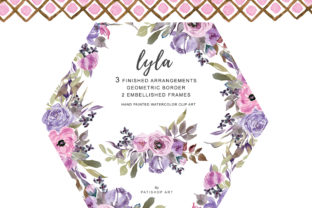
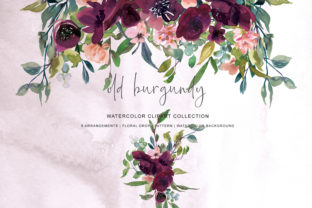
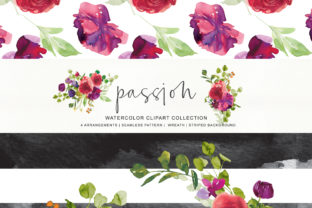
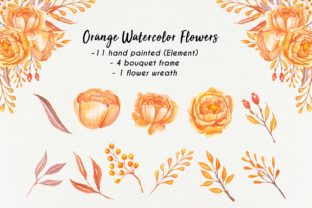
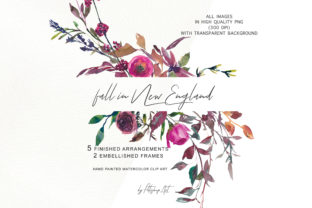
The first thing that strikes you about Watercolor Fall Twigs Herbs Flowers is its atmospheric quality. It captures that fleeting moment in autumn when the leaves are turning, and the air feels crisp. Unlike rigid, geometric patterns often found in commercial embroidery, this design leans heavily into organic shapes. The twigs appear delicate, the herbs are textured without being cluttered, and the flowers have a softness that mimics watercolor paint bleeding onto paper.
For an Etsy seller or a boutique owner, this visual personality is a goldmine. It evokes a sense of nostalgia and warmth that customers associate with high-end handmade products. However, achieving that "watercolor" look in thread requires careful planning. The design relies on color blending and gradient effects rather than solid blocks of color. If you are looking for a bold, graphic statement, this might not be your go-to. But if you want to create a finished product that feels artisanal and thoughtful, this machine embroidery design offers a unique starting point.
Testing the Design: A Real-World Scenario
To truly evaluate the utility of Watercolor Fall Twigs Herbs Flowers, I imagined a specific client request: a custom embroidered tote bag for a local botanical shop's holiday collection. The client wanted something that felt seasonal but timeless, suitable for carrying books or groceries while projecting a sophisticated brand image.
I loaded the embroidery file into my software and began visualizing the placement. The layout of the twigs and flowers suggests a corner motif or a scattered arrangement across the front of a canvas tote. Because the elements are distinct yet connected by the flow of the branches, they work beautifully as a cohesive unit. In a real-life scenario, stitching this onto a sturdy cotton canvas would allow the texture of the fabric to complement the organic feel of the design. The result would likely be a tote bag design that stands out in a crowded craft fair booth, offering a tactile experience that a printed mockup simply cannot replicate.
Performance on Different Fabrics and Projects
While the tote bag scenario is ideal, the versatility of Watercolor Fall Twigs Herbs Flowers extends to various other applications, provided you understand its limitations. For custom apparel like sweatshirts, the softer lines of the design can add a touch of elegance to casual wear. Imagine this stitched on the chest of a cream-colored hoodie; the contrast between the dark twigs and the light background would make the colors pop, creating a premium look for a small shop product.
This design also holds significant potential for holiday embroidery projects. Think of personalized pillow covers or kitchen towels where the theme fits perfectly. The herbs and flowers suggest a harvest vibe, making it excellent for Thanksgiving gifts or winter decor. However, if you plan to use this for baby embroidery, you must be cautious. The intricate details of the twigs might get lost on very stretchy knit fabrics commonly used for onesies. On a stable flannel blanket or a structured bib, however, the design shines.
For those creating embroidered patches, the density of the floral elements needs scrutiny. Patches require clean edges and high durability. While the artistic style is beautiful, ensure the stitch density is sufficient to prevent the patch from fraying after multiple washes. This is a critical consideration for any commercial embroidery venture where customer trust depends on product longevity.
Where to Exercise Caution
Not every project is a perfect match for this specific aesthetic. There are scenarios where Watercolor Fall Twigs Herbs Flowers might struggle. First, avoid using this design on very thin or highly transparent fabrics. The delicate nature of the twigs means that if the backing shows through, the illusion of depth will be ruined. Similarly, on dark fabrics, the lighter tones intended to mimic watercolor washes may disappear unless you adjust the thread colors significantly or use a dense underlay.
Curved surfaces like caps present another challenge. The linear flow of the branches might distort if stretched over a curved brim or crown. Always test the design on a scrap piece of the same material before committing to a final run. Additionally, if you are working with a small hoop size, you risk losing the fine details of the herbs. These tiny elements rely on precision; shrinking the design too much can turn them into muddy blobs of thread rather than distinct botanical features.
Finally, consider the washing frequency of the item. Products like aprons or tea towels endure heavy wear. The sheer beauty of the watercolor effect can sometimes come at the cost of stitch tightness. Ensure the stabilizer choice is robust enough to support the design during repeated laundering.
Practical Designer Notes for Success
If you decide to incorporate Watercolor Fall Twigs Herbs Flowers into your workflow, follow these practical steps to ensure a professional outcome:
- Test on Scrap Fabric: Never skip the test stitch. Run the design on a swatch of your intended fabric to check for puckering or tension issues.
- Check Thread Contrast: Since the design relies on subtle gradients, verify that your chosen thread palette provides enough contrast against the fabric background.
- Review Stitch Density: Look closely at the areas where the flowers overlap. High density can cause stiffness, while low density might leave gaps.
- Confirm Hoop Size: Ensure your hoop accommodates the full width of the design without cutting off the outer twigs or petals.
- Inspect Small Details: Zoom in on the digital preview to see if the smallest herb leaves will actually stitch out clearly or if they need simplification.
- Use Proper Stabilizer: For detailed botanical work, a cut-away stabilizer often provides better long-term stability than tear-away options.
- Verify Licensing: Before selling finished items or using this as a digital product asset, confirm the licensing terms. Are you allowed to sell the physical goods? Can you offer the file itself?
Impact on Brand and Customer Perception
Ultimately, the value of Watercolor Fall Twigs Herbs Flowers lies in its ability to elevate a standard item into a collectible piece. In a sea of generic designs, this illustration brings a narrative to your work. It signals to the buyer that you care about aesthetics and detail. For a craft business, using such a distinctive design asset helps build brand consistency and recognition.
When a customer receives a personalized gift featuring this design, they aren't just getting a stitched item; they are receiving a piece of art that resonates with the season and their personal style. This emotional connection drives engagement and repeat business. Whether you are an experienced apparel decorator or a hobbyist starting an online shop, selecting the right Illustrations category is key. This design proves that with the right execution, digital art can become a cherished, tangible memory.
Before you download and stitch, remember that the best embroidery project is one where the design serves the fabric, not the other way around. Take the time to prep, test, and refine. With Watercolor Fall Twigs Herbs Flowers, the potential for creating something truly special is there, waiting for your needle to bring it to life.