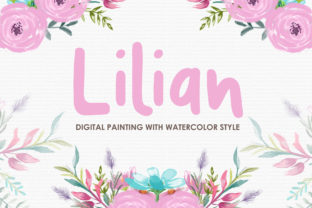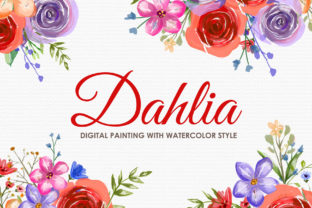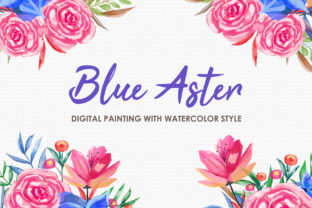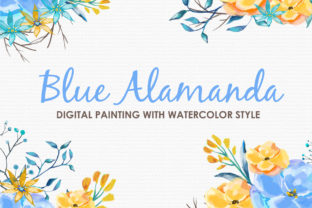
Blue Akasia Watercolor Floral Style Review
As a designer who has spent years translating digital art into tangible thread, I approach every new machine embroidery design with a mix of excitement and skepticism. The gap between a beautiful screen image and a successful finished product can be wide. When I first opened the file for Blue Akasia Watercolor Floral Style, I was immediately struck by its soft, organic aesthetic. It falls squarely within the Illustrations category, promising that dreamy, hand-painted look that is currently dominating trends in home decor and boutique apparel. But does it translate well to the needle? Let’s dive into how this design performs in real-world scenarios.
The First Impression: Mood and Visual Personality
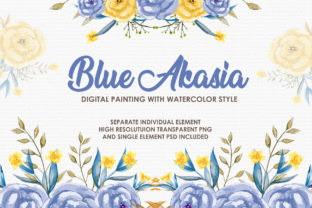
The immediate appeal of Blue Akasia Watercolor Floral Style lies in its fluidity. Unlike rigid, geometric floral patterns, this design mimics the bleed and blend of watercolor paint on paper. For an Etsy seller or a small shop owner looking to elevate their brand, this visual personality is gold. It suggests craftsmanship, gentleness, and artistic intent. The blue tones are versatile, ranging from deep indigos to soft sky washes, which means it pairs exceptionally well with neutral fabrics like oatmeal linen, cream cotton, or even charcoal gray fleece.
However, as a reviewer, my eyes immediately went to the details. Watercolor effects in embroidery rely heavily on stitch density and layering. If the fill stitch is too tight, the design loses its airy, painted feel and becomes a solid block of color. If it is too loose, the background fabric might show through unevenly, ruining the illusion. My initial assessment is that Blue Akasia Watercolor Floral Style requires a careful balance. It is not a "load and go" design for beginners; it demands attention to how the thread interacts with the fabric texture.
Real-World Application: From Hoop to Product
To truly test this design, I imagined using it for a specific project: a custom embroidered tote bag for a local boutique client. Tote bags are a staple for craft businesses because they offer a large canvas and high utility. In this scenario, Blue Akasia Watercolor Floral Style would serve as the centerpiece. The organic shapes would soften the structured lines of the canvas bag, creating a handmade product that feels curated rather than mass-produced.
I also considered its potential on custom apparel. Imagine a heavy-weight sweatshirt where the design is placed on the chest or back. The contrast of the delicate watercolor flowers against the rugged texture of the sweatshirt creates a compelling juxtaposition. This is exactly the kind of detail that drives buyer engagement on platforms like Etsy. Customers aren't just buying a sweatshirt; they are buying a piece of wearable art. The design elevates the perceived value of the item, allowing you to charge a premium for the personalized gift aspect.
For nursery items, such as a baby blanket or a pillow cover, the softness of the blue palette makes it ideal. Parents often seek out gentle, calming colors for their children's rooms. A baby embroidery project featuring these floral elements would likely be a best-seller during holiday seasons or baby shower gift guides. The design feels timeless enough to remain popular beyond fleeting trends, which is crucial for any craft business planning long-term inventory.
Navigating Challenges: Where Caution Is Needed
While the aesthetic is strong, practical application requires foresight. There are specific situations where Blue Akasia Watercolor Floral Style needs careful handling. First, consider small hoop sizes. If you attempt to stitch the full design in a 4x4 inch hoop, you may run into issues with registration and tension. The intricate blending areas could become muddy if the machine cannot move freely. Always check the recommended hoop size before starting.
Fabric choice is another critical factor. On thin or stretchy fabrics, the weight of the thread in a dense floral design can cause puckering. This is especially true for running stitch outlines that define the petals. Using the correct stabilizer is non-negotiable here. A cut-away stabilizer might be necessary for knits to ensure the design lays flat after washing. Similarly, on dark fabrics, the light blue watercolor effect might require underlays to prevent the black or navy background from bleeding through the lighter threads.
Curved surfaces, like caps or hats, present another challenge. The organic flow of the watercolor style relies on straight edges to maintain its shape. Stitching this onto a curved bill or the dome of a cap can distort the petals, making them look squashed or misaligned. Unless you have advanced digitizing skills to adjust the design specifically for caps, I would recommend sticking to flat surfaces like tote bags, aprons, or pillow covers.
Design Integrity and Commercial Viability
When selling finished goods, your reputation hinges on quality. Blue Akasia Watercolor Floral Style has the potential to boost your brand consistency if used correctly. The cohesive color palette allows you to create a collection—perhaps matching tees, towels, and patches—that tells a unified story. However, you must verify the thread colors you use match the intended mood. Using a standard variegated thread instead of solid blues might clash with the subtle gradients intended in the original illustration.
Before committing to a batch production run, always test the design on scrap fabric. Check the stitch density to ensure there are no gaps or excessive bulk. Inspect the small details to make sure the delicate veins in the leaves are visible but not so fine that they break easily. Create a printable mockup in both black and white to see how the contrast holds up without color distraction. This step is vital for maintaining customer trust; nothing damages a small shop product line faster than inconsistent stitching.
Finally, remember the legal side of things. As a digital product seller or someone creating merchandise, you must confirm the licensing terms of the embroidery file. Does the license allow for commercial use? Can you sell the physical items, or is it restricted to personal use? Understanding these boundaries protects your business and ensures you are operating ethically within the creative community.
Final Verdict for Makers and Entrepreneurs
Blue Akasia Watercolor Floral Style is a standout asset for designers who appreciate nuance and artistic flair. It is not merely a pattern; it is a tool for storytelling. Whether you are creating a holiday embroidery gift, a unique embroidered patch for a fashion label, or a cozy kitchen towel for your own home, this design offers a sophisticated edge. It rewards the maker who takes the time to prepare properly—selecting the right stabilizer, testing on the correct fabric, and paying attention to thread tension.
If you are looking to expand your design assets with something that feels fresh yet classic, this is a strong contender. Just remember that the beauty of a watercolor effect in thread comes from the execution. Take the time to perfect your setup, and Blue Akasia Watercolor Floral Style will deliver a finished product that customers will love to touch, wear, and display. It is a design that bridges the gap between digital illustration and tactile reality, proving that with the right technique, thread can truly mimic paint.